More about
the Human Experience
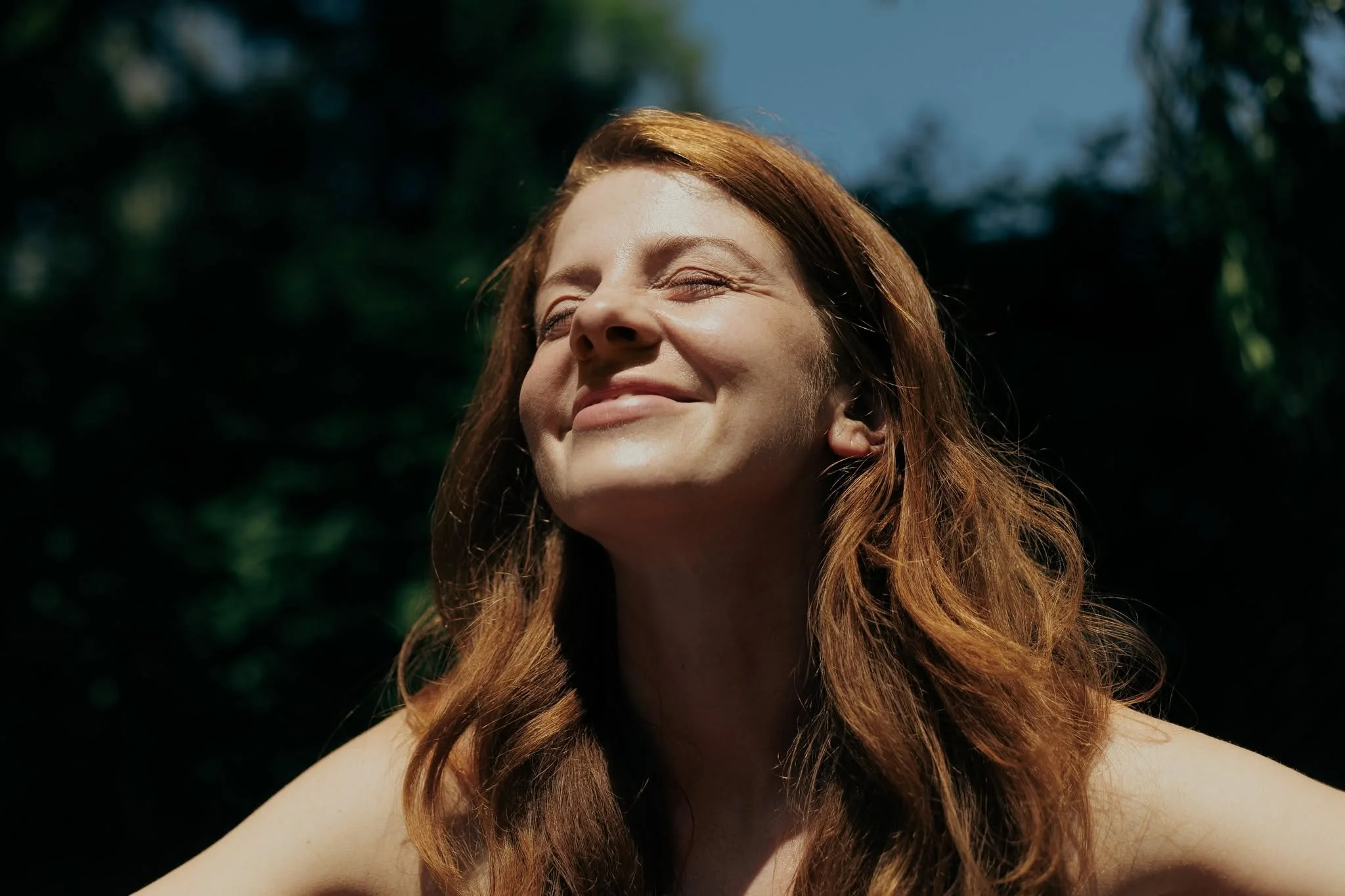
An actress, trapped in the role she has embodied for years, retreats to a remote summer house to spend time with her best friend, a photographer searching for truth. But as the scorching heat intensifies, so does her struggle to break free from the character that still haunts her.
Their time together is disrupted when the director of the play arrives, obsessed with keeping her in the role, blurring the lines between performance and reality. Drifting between waking life, dreams, and nightmares, she begins to lose herself, while animal instincts and the memory of a childhood giraffe become her only guidance.
A hypnotic psychological drama about identity, control, and the wild, untamed nature of humanity.
Is this a memory or a dream?
Who are you when you are no longer yourself?
The fears we don’t face become our limits.
For some creativity isn’t just an escape, it’s the truest way they confront reality.
Festival Positioning
The Human Experience positions itself within contemporary European auteur cinema as a psychologically immersive work where visual language operates as emotional architecture rather than decoration.
Rooted in naturalism yet drifting toward subjective perception, the film transforms summer light into a source of existential tension, allowing atmosphere and performance to carry the narrative weight.
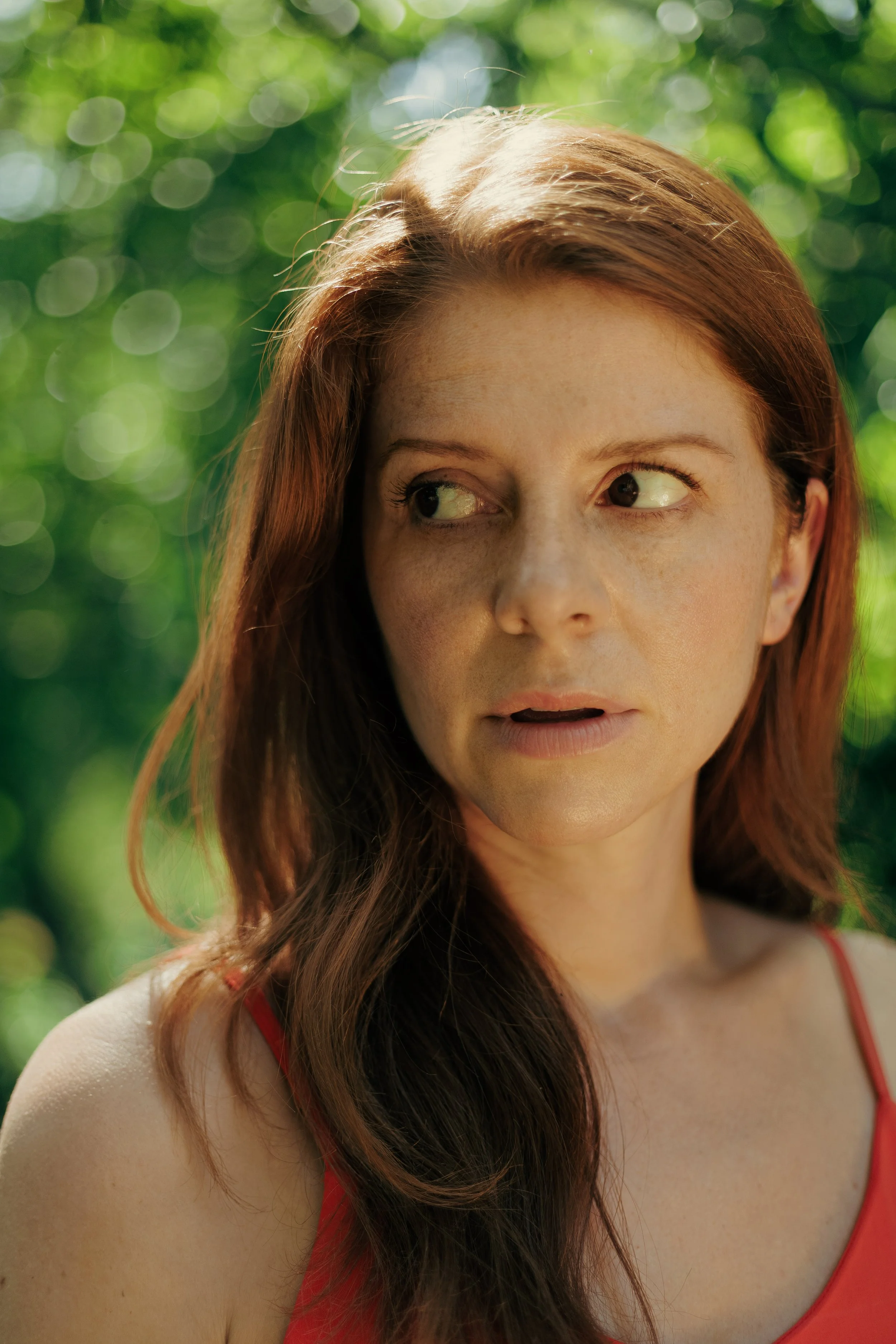
Its aesthetic rejects spectacle in favour of slow, sensory escalation, a gradual shift from observational distance toward visceral intimacy. Colour evolves as a psychological signal, moving from sun-bleached warmth into instinctive intensity, reflecting the fragile dissolution of identity at the film’s core.
The result is a cinematic experience that feels both intimate and unsettling: a quiet, hypnotic descent where the boundaries between character, actor, and human instinct slowly collapse.